How Long Before I Can Harvest Honey Again
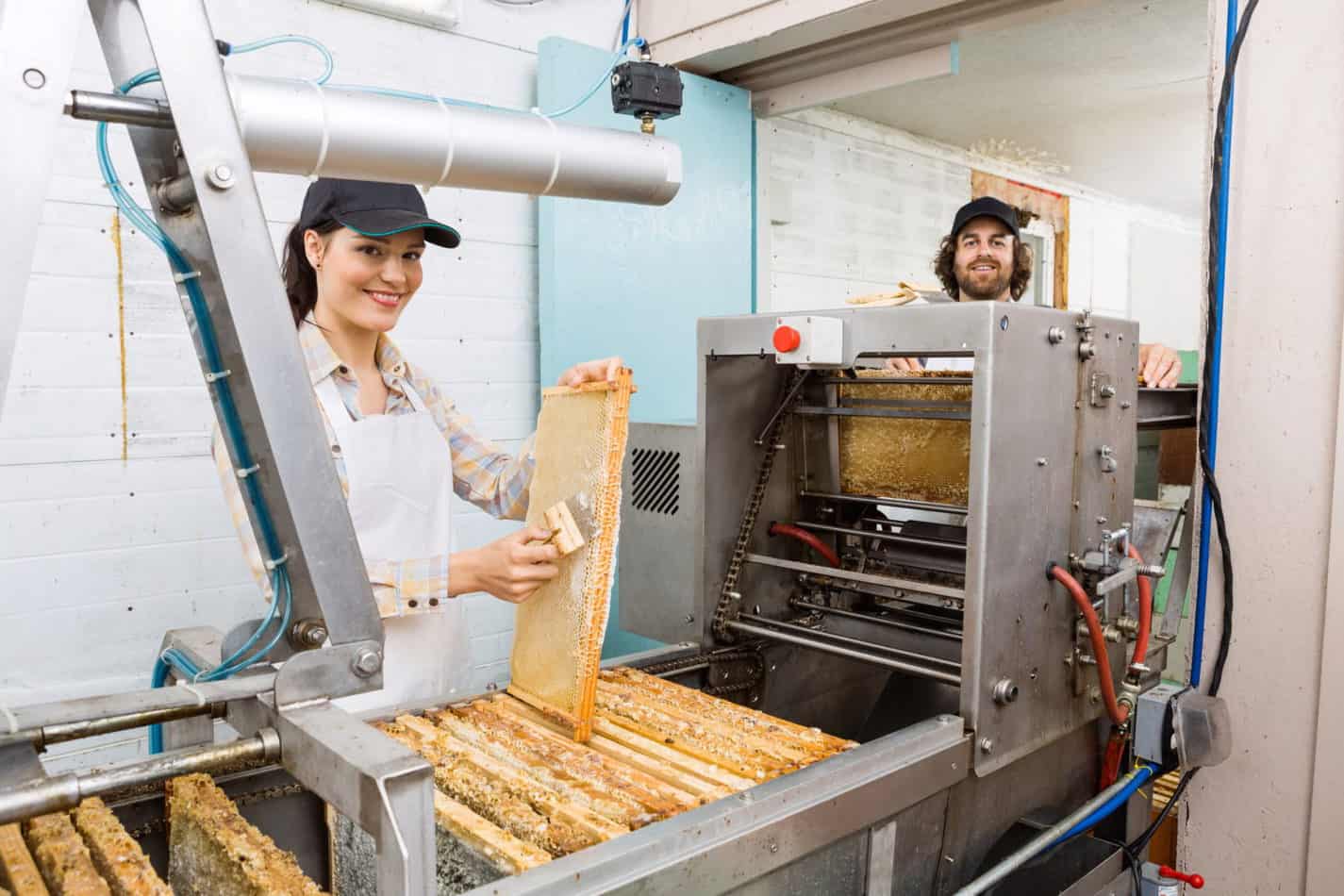
I of the most of import aspects of beekeeping is the honey flow. How often tin can I realistically harvest honey in a season and how much will I get. Like whatever beekeeper, I want to enhance healthy and productive honeybees but, I also desire to harvest as much of that delicious love equally possible.
Near beekeepers harvest love 2-3 times per year/season. Love is usually harvested between mid June until mid September. How frequently y'all harvest depends on your local climate and plant life. Poor conditions conditions, disease and pests infiltrating your hives will likewise affect your harvesting schedule.
Harvesting your honey is 1 of the most fun and rewarding parts of beekeeping. In that location are several important factors when planning your harvest that I'll explain in more than detail.
How Ofttimes Can I Harvest Honey In A Season
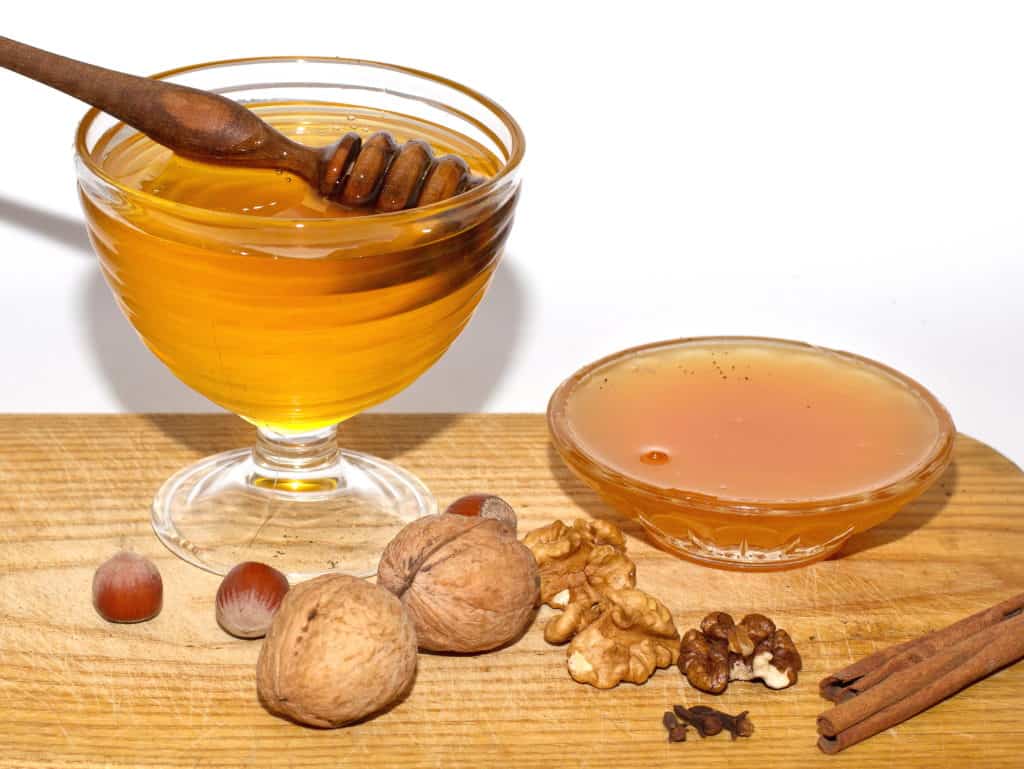
Knowing your best window of fourth dimension for harvesting is very important and will mean the difference between gathering peachy tasting dearest or love that could spoil. Similar anything in beekeeping, the number of times you can harvest dearest in a year varies past your region and weather weather.
You don't want to harvest too early because you lot won't capitalize on the total amount of honey available. But you don't want to harvest to late considering your risking running into cold weather condition and taking as well much honey without leaving plenty for the colony to survive the winter.
Y'all too need to advisedly time any chemic treatment yous administer your bees for mites and such. When you care for your bees cannot overlap during the honey catamenia.
Nigh beekeepers tin can harvest at least 2-3 times a season between the months of mid June and mid September. In some rare cases, due to local climate, beekeepers can only harvest once per season unremarkably belatedly summer or early autumn.
If its your first twelvemonth of beekeeping with a new colony you won't likely be able to harvest much honey if any at all. A new honeybee colony needs a full flavor to build up a big enough population to gather surplus honey.
Beekeepers who harvest honey 3 times a yr will unremarkably label information technology equally varietal dear. The label will too include when information technology was harvested and from what plant life or vegetation.
When the nectar flow is on beekeepers will add supers to the hives in rapid succession allowing the bees to store as much every bit the flow will let. When a super is added on to the hive don't forget to include a queen excluder, you don't desire the queen laying in the frames meant for honey.
Practise I Just Harvest Capped Honey
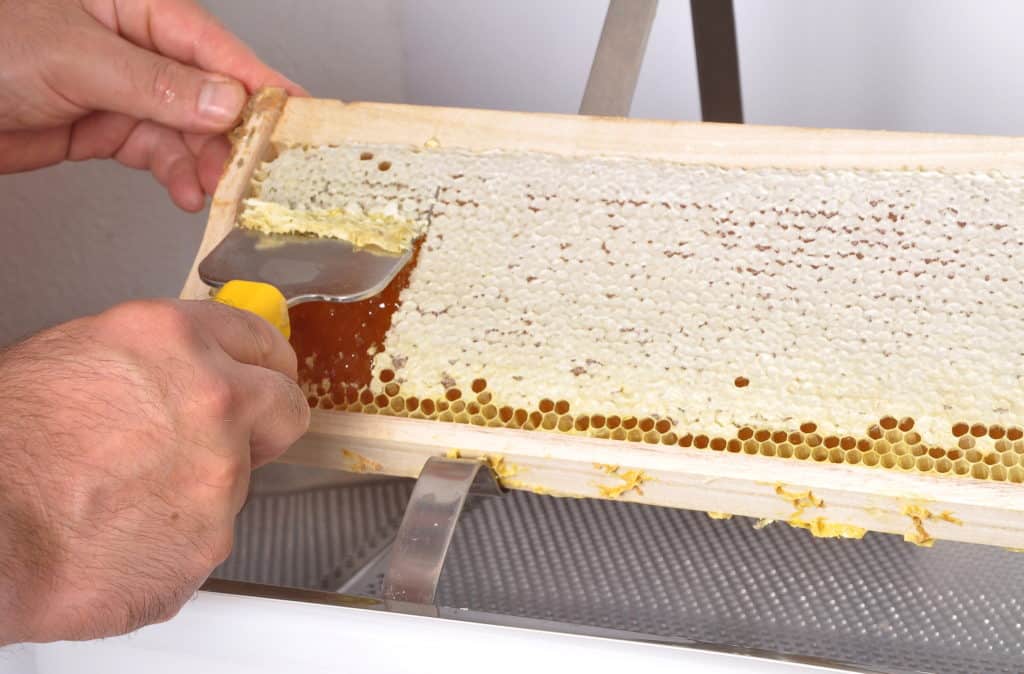
Generally, beekeepers harvest their beloved at the conclusion of a substantial nectar flow and when the beehive is filled with cured and capped honey. You need to exist careful to not harvest before at to the lowest degree 80% of the frame contains capped honey.
Information technology is recommended to look until your frame only contains capped love otherwise you run the risk of your bees no longer producing for the season.
Bees will only cap their honey with fresh pale wax once they've fanned the nectar downwardly to 18 percent moisture level. This allows the nectar to fully cure into honey and the capping process is the betoken that it tin be harvested.
You don't want to harvest raw honey. Raw honey is the nectar placed in the comb that hasn't been evaporated down to the concluding concentration. Its not actually honey at this point, just uncured nectar. Attempting to harvest this will produce watery dear and is likely to spoil.
You can mensurate the moisture level using a refractometer. Yous can also turn the frame with the cells facing down and requite it a gentle shake. If the dearest leaks out, information technology isn't cured and shouldn't be extracted.
Beekeepers volition only harvest honey from the super (bee box) placed on top of the main hive with a queen excluder between the bottom and top box. Bees will not showtime filling the super with love until there main hive (bottom box) are filled with brood and stored dearest.
Every bit the bees begin to fill upward your supers, you lot simply add more supers on the height to have full advantage of the nectar flow.
In some cases, bees won't cap the remainder of the beloved on a frame even though its ready for harvesting. If the honey on your frame has been generally capped for several weeks and the bees are not capping the balance, then you're probably ok. Only I would air on the side of caution and test the moisture level with a refractometer.
How Much Beloved Can You lot Expect From One Hive
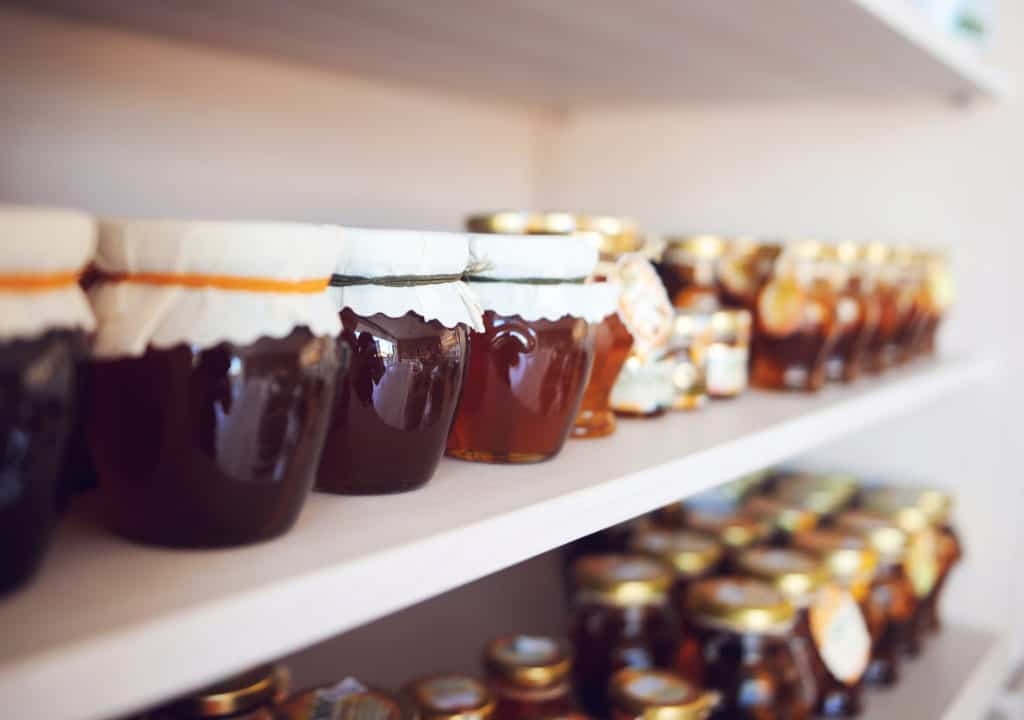
With a traditional 10 frame deep box a strong hive volition produce 80 to 100 lbs of love. A super or medium box is likely to produce forty to 60 lbs of honey since its smaller than a deep box. Of course, this dependent on how good your honey flow is for that particular year, conditions weather, beehive robbing and temperature.
The corporeality of dearest harvested is also dependent on how established the hive is. New colonies won't produce much harvestable honey. They take a twelvemonth to really grow a stable population to produce large amounts of beloved. Don't forget your bees volition also need honey to get them through the winter.
But, how many actual jars of honey does ten lbs or fifty-fifty 50 lbs of honey produce? I've included a chart below illustrating the average number of 8 oz. or 10 oz. jars y'all can expect to make full depending on how many pounds of beloved y'all've harvested.
| Pounds | Ounces | 8 oz Jars | ten oz Jars |
|---|---|---|---|
| 10 | 107 | 13 | 10 |
| twenty | 214 | 26 | 21 |
| 30 | 321 | 40 | 32 |
| 40 | 428 | 53 | 42 |
| fifty | 535 | 66 | 53 |
| threescore | 642 | lxxx | 64 |
| 70 | 749 | 93 | 75 |
| 80 | 856 | 107 | 85 |
| xc | 963 | 120 | 96 |
| 100 | 1070 | 133 | 107 |
What Happens To Dearest If Not Harvested
If honey is left in absurd weather, it will thicken and granulate, making it incommunicable to excerpt from the rummage. It will also exist consumed past the bees as they begin to prepare for the winter. Due to honeys low moisture content, honey can practically terminal forever without going bad. Whatever honey left in the hive sits until its used by the bees.
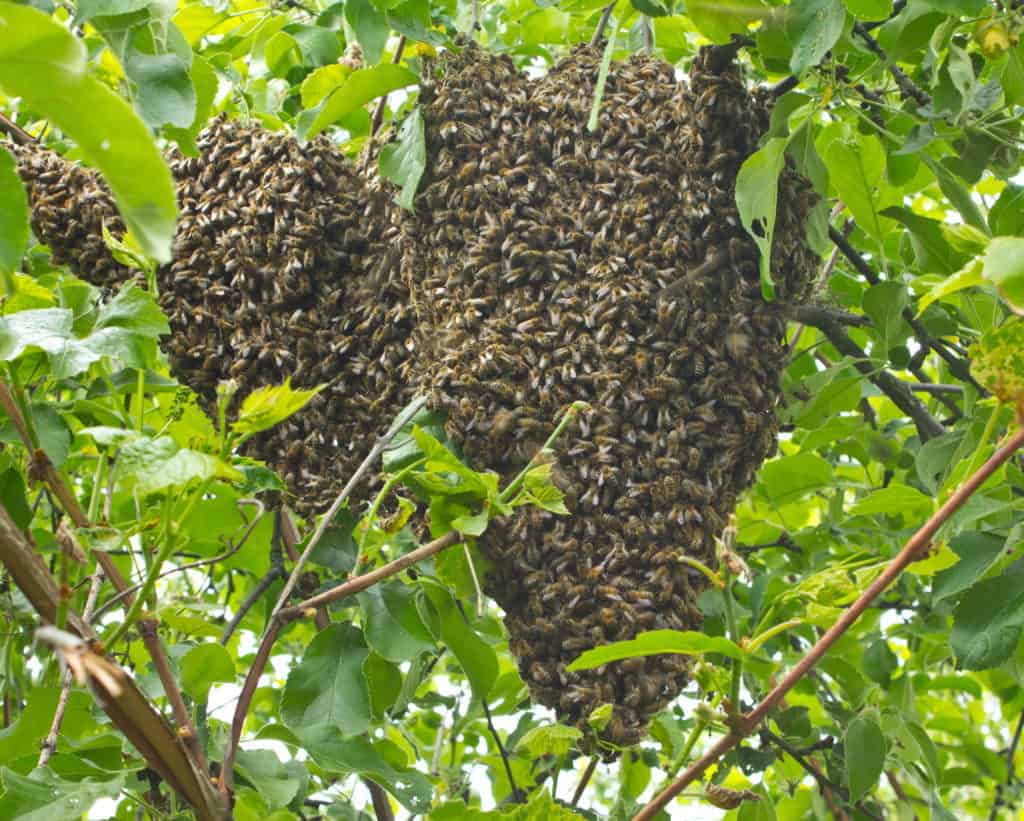
If you don't harvest dearest and only enhance bees because you enjoy it, there is several side effects. Every bit the bee population grows their instinct will be to swarm. The bees build up enough stores and brood and volition become overcrowded.
The bees volition so swarm and approximately i/2 of your bees volition leave and start a new hive elsewhere. Then your hive will build up chapters once more and this cycle volition continue.
When bees are overcrowded y'all also risk attracting more bugs such as ants, wax moths and hive beetles. Not to mention other pests such equally skunks and bears attacking the honey filled hive.
Related Questions
How long can you keep capped honey? Y'all should merely go along capped honey away from the hive for no more than ii days. I recommend leaving your supers until you're ready to harvest. By pulling frames to early, you increase the likelihood of getting bugs in your dear.
If you accept no pick, a good option is to simply put your frames in a deep freeze. One time your ready to extract the dear, but permit them thaw for 2 days (sealed – keep bugs out) and then extract your honey. This is a more mutual practice with hobbyists.
What is a queen excluder? It prevents queens and drones from passing through to other boxes stacked in your hive, normally supers. It is mostly used to keep the queen from laying eggs in the honey supers or deeps during the honey flow harvesting flavour. I recommend non calculation an excluder until you know exactly where your queen is located.
Source: https://beekeeperfacts.com/how-many-times-can-you-harvest-honey-in-a-year-is-it-capped/
0 Response to "How Long Before I Can Harvest Honey Again"
Post a Comment